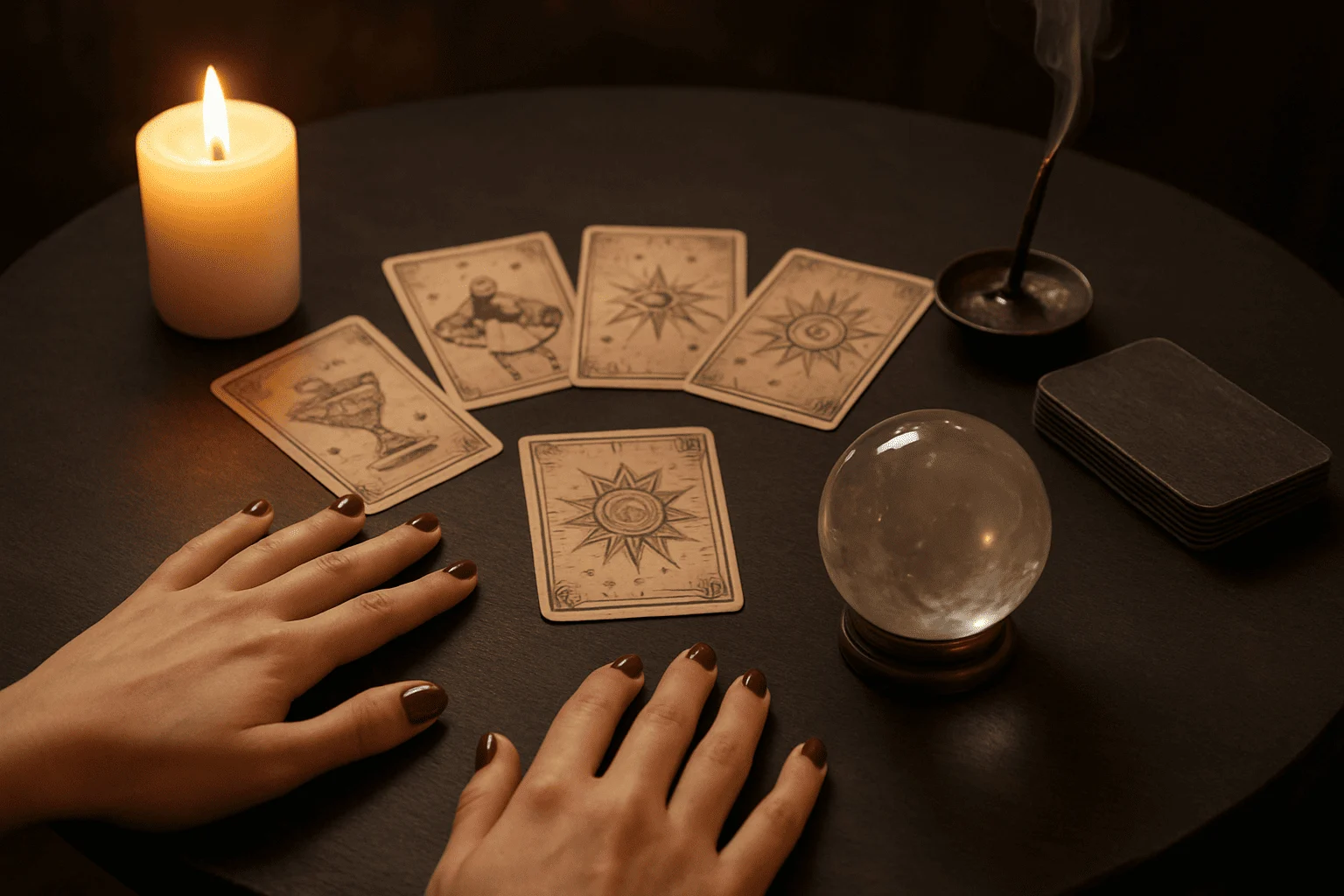

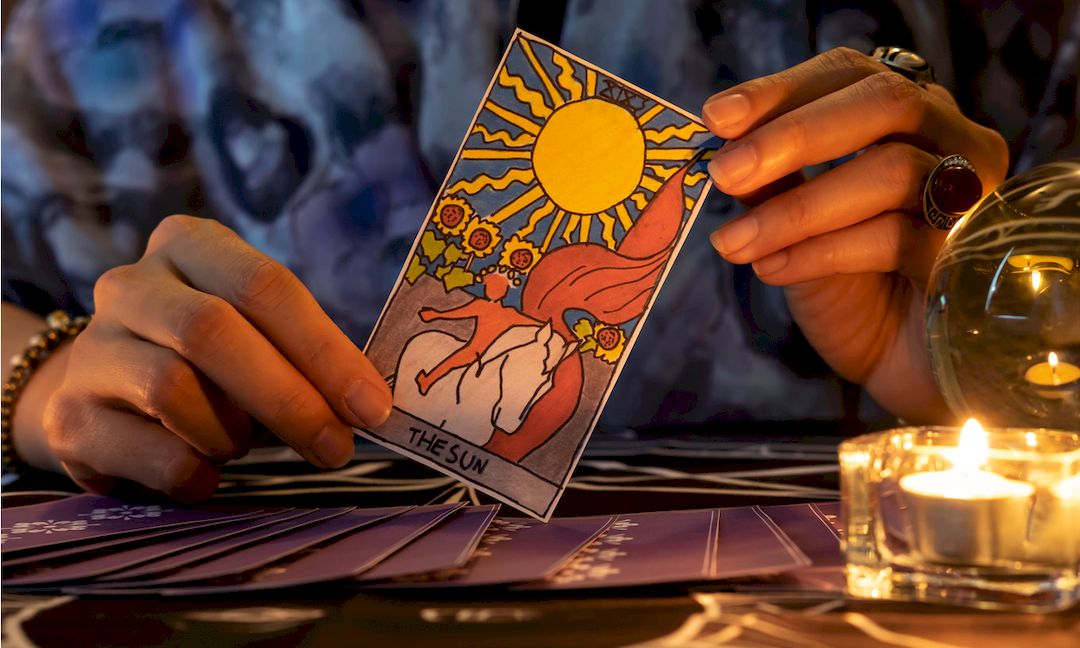
To get the absolute most out of your session, a little bit of preparation goes a long way. By taking the time to center yourself and clarify your intentions beforehand, you set the stage for a deeply transformative and accurate reading.
1. Setting a Clear and Focused Intention
The most critical step in preparing for any spiritual reading is setting your intention. The universe responds to clarity. Before you even connect with your advisor, take a few moments to sit quietly and ask yourself: What is the primary reason I am seeking guidance today?
Are you looking for validation that you are on the right path? Do you need help making a difficult choice? Or are you simply seeking general spiritual guidance for the month ahead?
Once you have identified your core reason, distill it down into a single, focused intention. You don’t necessarily need to share this exact intention with your reader, but holding it clearly in your mind will act as an energetic magnet, drawing the most relevant messages and tarot cards toward you during the session.
2. The Art of Formulating Open-Ended Questions
One of the most common pitfalls for beginners is asking rigid “Yes or No” questions. While some readers specialize in pendulum dowsing for binary answers, tarot is a tool designed for storytelling, nuance, and deep exploration.
“Tarot doesn’t just tell you what will happen; it tells you why it’s happening and how you can influence the outcome.”
Instead of asking, “Will I get the job?” try rephrasing it as, “What do I need to know or do to secure a fulfilling career right now?” Instead of asking, “Is my ex coming back?” ask, “What lessons am I meant to learn from my past relationship, and how can I attract healthy love?”
Open-ended questions empower the reader to pull more cards and provide a much richer, more detailed narrative about the energies surrounding your situation.
- Avoid questions that start with “Will” or “When.”
- Favor questions that start with “What,” “How,” or “Why.”
- Keep your questions focused on your own actions and energy, rather than trying to pry into someone else’s secrets.
3. Creating a Sacred and Quiet Physical Space
Even though your reading is taking place online, your physical environment plays a massive role in the energetic quality of the session. You cannot expect to receive clear, profound spiritual guidance while sitting in a noisy coffee shop or driving in heavy traffic.
Treat the online reading with the same respect you would give an in-person session. Find a quiet, private room where you will not be interrupted by family members, roommates, or pets.
- Turn off all notifications on your phone and computer.
- Consider lighting a candle or burning some sage or palo santo to clear the energy in the room.
- Keep a glass of water nearby to stay hydrated and grounded.
- Have a notebook and pen ready so you can jot down important insights or specific card names.
4. Understanding Common Tarot Spreads
During your reading, the psychic will likely lay out the cards in a specific pattern known as a “spread.” Each position in the spread represents a different aspect of your situation. While you don’t need to be a tarot expert, having a basic understanding of common spreads can help you follow along with the reader’s interpretation much more easily.
Here are a few classic tarot spreads you might encounter:
| Spread Name | Number of Cards | Best Used For | What the Positions Mean |
|---|---|---|---|
| Past, Present, Future | 3 Cards | Quick overviews, general check-ins | Card 1: Influences from the past. Card 2: Current situation. Card 3: Likely outcome. |
| The Celtic Cross | 10 Cards | Deep dives into complex, multi-layered issues | Covers subconscious influences, external factors, hopes/fears, and ultimate outcomes. |
| The Relationship Spread | 5-7 Cards | Romantic inquiries, resolving partner conflicts | Highlights your energy, your partner’s energy, the core issue, and the relationship’s foundation. |
| The Crossroads Spread | 4-5 Cards | Making a difficult choice between two options | Shows the potential outcome of Option A versus the potential outcome of Option B. |
5. What to Do During the Actual Reading
Once the reading begins, it is completely normal to feel a bit nervous. Take a deep breath and remember that a genuine psychic advisor is there to help and support you, not to judge you.
As the reader begins to lay out the cards and share their impressions, try to maintain an open and receptive mindset. Do not interrupt the reader while they are channeling information, but do provide verbal confirmation when something resonates with you. A simple “Yes, that makes sense” helps validate the reader’s connection to your energy.
If a card or interpretation doesn’t immediately make sense, don’t panic or assume the reading is wrong. Write it down. Often, tarot messages are predictive or symbolic, and the meaning may only click into place days or even weeks after the session has ended.
6. Demystifying the “Scary” Tarot Cards
Pop culture has done a terrible job of portraying certain tarot cards. Many beginners are terrified of seeing the Death card, the Devil, or the Tower pop up in their reading. They mistakenly believe these cards predict physical doom or irreversible tragedy.
In reality, tarot is a deeply psychological and spiritual tool. The “scary” cards are almost always metaphorical.
1. The Death Card: Rarely means physical death. It signifies profound transformation, the ending of a cycle, and making way for new beginnings (like quitting a dead-end job to start a new career).
2. The Tower: Represents a sudden upheaval or a paradigm shift. It means a false foundation in your life is crumbling so a truer, stronger one can be built.
3. The Devil: Highlights unhealthy attachments, addictions, toxic relationships, or self-limiting beliefs that are keeping you chained down.
When these cards appear, embrace them as powerful invitations for necessary growth and liberation.
7. Post-Reading Integration and Action
A tarot reading does not end when you close the chat window or hang up the phone. The true magic of tarot lies in what you do with the information you have received. Tarot offers guidance, but it does not strip you of your free will.
After the session, take 15 to 30 minutes to sit quietly and review the notes you took. Highlight the key themes, the recurring symbols, and the specific actionable advice the reader provided.
If the reading indicated that a new job opportunity is on the horizon, you still have to put in the work to update your resume and apply. If the reading suggested you need to heal from a past relationship, you must actively engage in self-care and boundary-setting. The cards illuminate the path, but you are the one who has to walk it.
8. How to Choose the Right Tarot Deck for Your Energy
If your first reading inspires you to explore tarot on your own, you might want to purchase your own deck. With thousands of different artistic variations available, picking the right deck can feel overwhelming. Many people still believe the old superstition that your first tarot deck must be gifted to you, but in modern practice, this is completely unnecessary.
The most important factor is visual resonance. Does the imagery speak to you? Do the colors make you feel calm or inspired?
1. Rider-Waite-Smith: The classic standard, highly recommended for beginners because the imagery clearly illustrates the traditional meanings.
2. The Wild Unknown: Great for nature lovers, relying heavily on animal and botanical symbolism.
3. Thoth Tarot: A deeply esoteric deck, better suited for advanced readers interested in complex astrology and Kabbalah.
When choosing a deck, spend time looking at the card artwork online. If you feel a magnetic pull toward a specific deck, trust that instinct.
9. Keeping a Tarot Journal for Long-Term Growth
Whether you are receiving readings from a professional or pulling cards for yourself, keeping a tarot journal is one of the most powerful practices you can adopt. A tarot journal acts as a spiritual diary, tracking your energetic progress over months and years.
After your online reading, dedicate a few pages in a notebook specifically to that session. Write down the date, the specific question you asked, and the exact cards that were pulled. More importantly, write down how those cards made you feel in the moment.
“The true magic of tarot unfolds not during the reading, but in the weeks that follow as the symbols begin to manifest in your daily life.”
By returning to your journal a month later, you will often find that confusing messages have suddenly become crystal clear. You will also begin to notice recurring themes-perhaps the same card keeps appearing whenever you ask about your career, indicating a persistent blockage that requires your attention.
10. Trusting Your Own Intuition Over the Cards
Finally, as you delve deeper into the world of tarot, it is crucial to remember that the cards are simply tools. They are beautifully illustrated pieces of cardboard designed to act as a mirror for your own subconscious mind. They do not hold intrinsic power over your destiny.
If a reader pulls a card and gives you an interpretation that feels profoundly wrong or completely out of alignment with your spirit, you have the right to reject that interpretation. Sometimes, a card is pulled simply to trigger a specific memory or emotion within you, rather than to deliver a literal predictive message.
Always prioritize your own inner knowing. If the cards say one thing, but your deep gut instinct says another, trust your gut. The ultimate goal of any tarot reading is not to make you dependent on the cards, but to help you build a stronger, more trusting relationship with your own intuition.